Craps rewards patience more than bravado, and the table mistakes that cost Aussies the most are usually about pace, not luck. I’ve spent fifteen years modelling table mathematics and running live productions, and the same discipline that keeps a jazz combo tight on a busy Saturday arvo applies here: listen to the rhythm, don’t rush the downbeat. If you’re weighing where to play, the lobby at crazytower keeps the table and live mix easy to scan, with clear bet limits and a search bar that actually finds what you’re after instead of burying it under a wall of slots. That kind of organisation matters because a cluttered lobby tempts you into chasing noise rather than reading the dice.
H2: Know the layout before you throw
The biggest mistake is treating the table like a slot reel where every button press feels the same. Craps is built on distinct spots, each with its own house edge and payout cadence, and walking up without knowing which bets are working on the come-out versus the point is a fast way to bleed bankroll. I’ve seen productions where the dealer rhythm got thrown off by a player who called bets after the puck was already moving, and the maths doesn’t care how confident you sound. The pass line and don’t pass line are the backbone, and the real edge comes from understanding that the come-out roll and the point phase are two different musical phrases, not one long loop. If you want a clearer breakdown of how the bets line up and which ones make sense for a measured session, the walkthrough at craps regels uitleg lays out the bet structure and the timing cues in plain terms. In regional Queensland, where a local club night can run quiet until the arvo crowd rolls in, that kind of timing awareness is the difference between a steady session and a rushed one.
H2: Keep your bankroll in time with the table
Money management on craps is less about a fixed stake and more about matching your bet size to the table’s tempo. The common error is scaling up after a hot roll because the dice feel like they’re swinging your way, when in reality the variance is just doing what variance does. I’ve built session models where a player’s ruin rate drops sharply once they cap their prop bets and let the pass/don’t pass structure carry the rhythm, and that’s the same kind of restraint a working musician uses when the room gets loud. You don’t answer every chorus just because the crowd is cheering. A fair go at the table means setting a loss limit and a time limit before you buy in, then sticking to them even when the puck lands on your number twice in a row. Craps tables can shuffle up the deck early in some live formats to disrupt a counter’s rhythm, and while dice don’t get shuffled, the same principle applies: the house controls the pace, so your job is to control your exposure instead of chasing the groove.
H2: Read the table, not the crowd
Crowd noise is the easiest trap on a busy craps floor. Players often follow a cheer because it feels like momentum, then pile into proposition bets that look exciting but carry a much heavier edge. I’ve watched this in live rooms where the energy spikes after a long hand, and the maths stays exactly the same while everyone else suddenly thinks the odds have shifted. The disciplined move is to watch the puck, note whether you’re on the come-out or the point, and only then decide what actually fits your plan. If the table is running fast and the dealer is calling bets before you’ve had a breath, that’s a signal to slow down or step away, not to match the tempo with bigger chips. A good session reads the room the way a rhythm section reads a soloist: you stay in the pocket, you don’t overplay, and you let the loud moments pass without turning them into a betting cascade.
H2: Treat the rules as the chart, not a suggestion
Craps mistakes to avoid usually come down to ignoring the small rules that shape the edge, like when a bet is already working, how odds behind the line actually behave, and which spots are one-roll wagers versus multi-roll plays. The game has a long lineage – Nevada legalised casino gambling in 1931, launching Las Vegas’s rise, and the table culture built around that history still shapes how the game is presented today. That history matters because it reminds you that craps is a structured game, not a freeform jam, and the rules are the chart you play from. When you respect the come-out, the point, and the odds structure, you stop fighting the table and start reading it. The best sessions look calm from the outside because the player is listening to the mechanics, not the noise, and that calm is what keeps a bankroll intact through a long night.
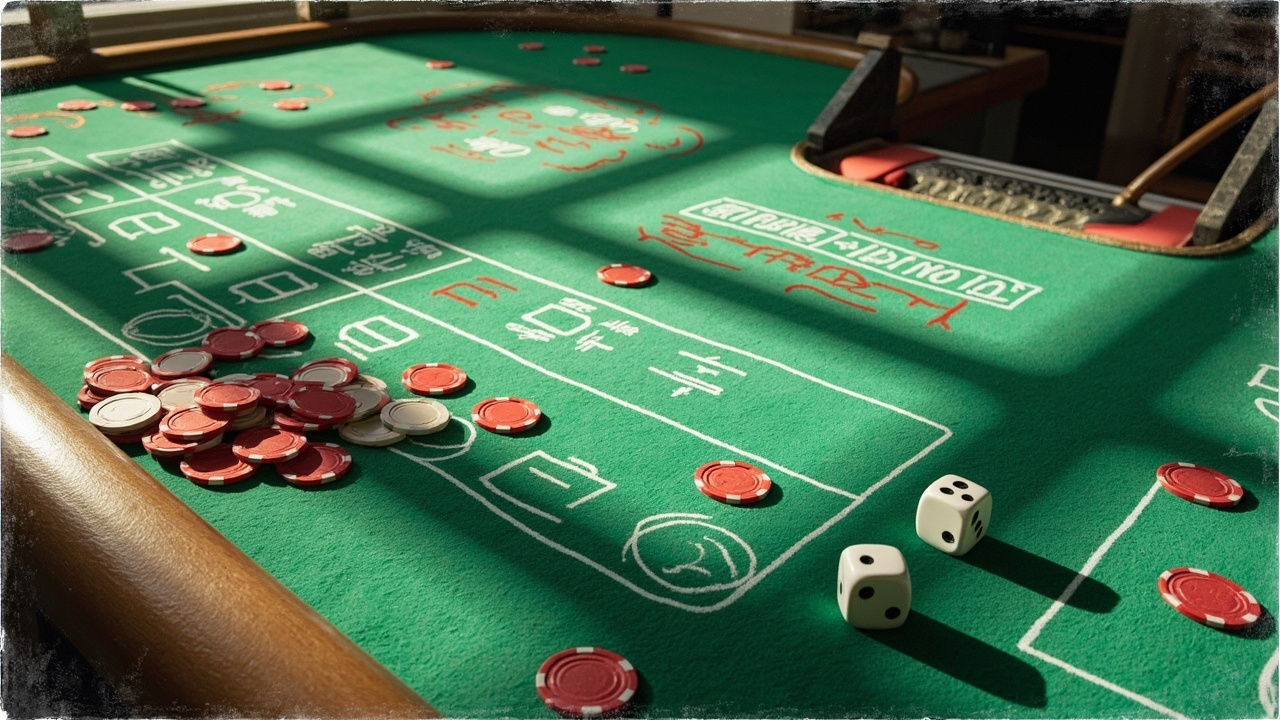
- Come-out roll: the first roll of a new hand that sets the point or ends the round immediately.
- Point: the number established on the come-out that the shooter must repeat before a seven ends the hand.
- Working bet: a wager already active on the table that stays in play until the round resolves.
- Odds behind the line: an extra wager placed behind a pass or don’t pass bet after a point is set, usually paying at true odds.
A solid craps session is mostly about restraint: know the layout, keep your stakes in time with the table, and let the crowd’s noise stay in the background. The maths and the rhythm agree on the same thing – a measured hand beats a frantic one, and the table rewards players who read the puck instead of chasing the cheer.